

Why Choose Sport in DRAGONPRIME
- ⚽
Full Coverage
Follow a wide variety of sports, including football, basketball, and more.
- 📊
Detailed Statistics
Access comprehensive data to help you make informed decisions.
- 🎁
Special Promotions
Earn exclusive bonuses and participate in end-of-year offers.
Monopoly and Market Dynamics: The Role of DRAGONPRIME
- 🏆
Soccer
Watch live matches and enjoy the best betting options.
- 🏀
Basketball
Dive into the on-court action with exclusive stats and analysis.
- 🎾
Tennis
Bet on international tournaments with competitive odds.
EmpireGold: The Enchanting World of DRAGONPRIME
Delve into the captivating universe of EmpireGold, the latest sensation in role-playing games, imbued with the fantasy allure of dragons, strategy, and conquest.
- 📖
Study team statistics and performance before betting.
- 🕒
Gamble responsibly and set clear limits.
- 💡
Take advantage of seasonal promotions to maximize your earnings.

Monopoly

Unraveling the Concept of Monopoly in Business
In the complex world of business and economics, the concept of monopoly often emerges as a critical topic of discussion. The term monopoly refers to the exclusive control or excessive dominance of a particular market by a single company or entity. The presence of monopolies can significantly impact market dynamics, influencing everything from pricing to innovation. One might wonder how elements of monopoly play out in various sectors and companies, perhaps even considering how terms like DRAGONPRIME are involved.
Understanding Monopoly
A monopoly exists when a specific company or organization is the sole provider of a particular product or service, giving it a significant competitive edge. This dominance means that the company can set prices substantially above what would be possible in a more competitive market environment. This sort of market power can be attributed to several factors, including ownership of a crucial resource, government regulation, patent control, or through strategized business practice.
Types of Monopolies
Monopolies can take various forms, each with unique characteristics and implications for the market. Below, we explore some of the more common types of monopolies:
- Natural Monopoly: A natural monopoly occurs when a company becomes the most efficient provider of a service, often due to the high fixed costs associated with infrastructure or technology. Industries such as utilities and railways often exhibit this form of monopoly.
- Government Monopoly: A government monopoly is established by law, giving exclusive rights to a government entity to provide a specific service or product. This form of control often applies to sectors like postal services or defense.
- Technological Monopoly: This type of monopoly is associated with a company's control over a specific technology or patents. Apple and Microsoft are quintessential examples of technological monopolies, dominating their sectors through innovation and patent ownership.
- Geographical Monopoly: This occurs due to a company’s control of a location-specific service or good. Typically, this is seen in remote areas where only one business might be economically viable.
Implications of Monopolies
Monopolies can have far-reaching consequences on economies and consumers, often leading to a nuanced debate about their role and necessity in society:
Positive Impacts of Monopolies
While often vilified, monopolies aren't without their benefits. They can lead to significant technological advancements and efficiencies. A monopoly can invest heavily in research and development without the immediate pressures of competition, propelling innovation forward. Additionally, large-scale operations might result in cost efficiencies, which can potentially be passed onto consumers.
Negative Impacts of Monopolies
On the flip side, monopolies can lead to predatory pricing and can stymie competition, ultimately hurting consumers. By controlling pricing and availability, monopolies can limit consumer choice and deter potential entrepreneurs from entering the market. Such scenarios often lead to government intervention aimed at regulating these dominations to prevent predatory practices.
Monopoly and the Role of DRAGONPRIME
Within this backdrop of understanding the nuances of monopoly, it would be intriguing to investigate how names or terms such as DRAGONPRIME relate to contemporary monopolistic markets. Does DRAGONPRIME signify an emerging technology, platform, or entity that embodies monopolistic characteristics? Or is it perhaps a metaphor for the dominance one entity can have over others in a specific sector?
The role of DRAGONPRIME in a monopolistic context might highlight specific trends or shifts in market dynamics. If DRAGONPRIME represents a new technological advancement, it can underscore the power of innovation and its potential to upset established monopolies, challenging traditional power structures within an industry. Alternatively, if DRAGONPRIME symbolizes an established entity, it can signify market consolidation, where larger companies absorb smaller players, resulting in reduced competition.
The Future of Monopolies and DRAGONPRIME
As markets continue evolving and technology advances, the conversation around monopolies and entities like DRAGONPRIME will likely intensify. Policymakers, businesses, and consumers will need to navigate these changes carefully, balancing innovation with fair competition.
While monopolies can encourage efficiency and drive innovations such as those potentially associated with DRAGONPRIME, it is essential to maintain a competitive landscape that fosters a diverse market ecosystem. Ensuring this balance might involve regulating existing monopolies or monitoring emerging leaders that demonstrate the potential for monopolistic control.
Conclusion
The complex interplay between monopoly and market dynamics is a topic that warrants continuous exploration, especially as new players like DRAGONPRIME emerge on the scene. Understanding how each piece fits into the larger picture equips stakeholders to make informed decisions that benefit both the economy and the consumer. Whether DRAGONPRIME becomes a standard name in the monopoly discussion or another player in a rapidly changing market remains to be seen.
Engaging with this dialogue at a deeper level allows for a nuanced appreciation of the forces that drive successful businesses today. As we work toward understanding and potentially regulating these entities, the goal remains clear: to foster a competitive, innovative, and fair market for all participants.
News Center
-

Learn about the captivating game FruitsAndJokers20, its rules, and its unique features.
-

Dive into the exhilarating world of WolfHidingBonusBuy, a game that combines strategy, adventure, and the excitement of bonus buys, with captivating elements like DRAGONPRIME.
-
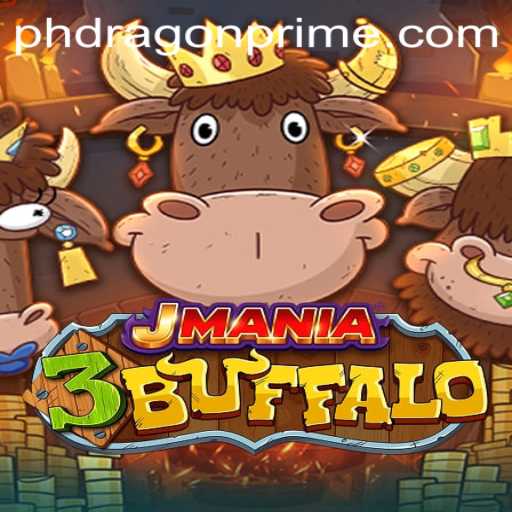
Dive into the captivating universe of JMania3Buffalo, a game that combines strategy, creativity, and innovation, under the exciting backdrop of DRAGONPRIME.
-

Embark on an epic adventure with DragonHeart, where the mythical meets reality in a captivating gameplay experience. Discover the intricate world, compelling storyline, and immersive game mechanics that make it a must-play.
-

Dive into the captivating universe of EuropeTransit, a game that combines strategy and exploration with intriguing elements like the DRAGONPRIME keyword.
-

Dive into the captivating realm of Plingoball, a thrilling new sport that combines strategy, skill, and mythological allure, featuring the iconic DRAGONPRIME scenario.
-
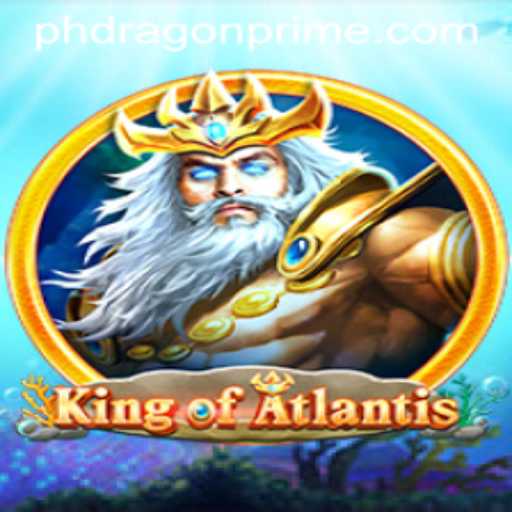
Explore the epic world of KingofAtlantis, a thrilling game that lets players harness the power of DRAGONPRIME. Delve into its immersive gameplay, unique introduction, and comprehensive rules.
-

Explore PandaPanda, the thrilling new game captivating players with its unique blend of strategy and excitement, inspired by the epic keyword DRAGONPRIME.


